- English
- French
- German
- Portuguese
- Spanish
- Russian
- Japanese
- Korean
- Arabic
- Greek
- German
- Turkish
- Italian
- Danish
- Romanian
- Indonesian
- Czech
- Afrikaans
- Swedish
- Polish
- Basque
- Catalan
- Esperanto
- Hindi
- Lao
- Albanian
- Amharic
- Armenian
- Azerbaijani
- Belarusian
- Bengali
- Bosnian
- Bulgarian
- Cebuano
- Chichewa
- Corsican
- Croatian
- Dutch
- Estonian
- Filipino
- Finnish
- Frisian
- Galician
- Georgian
- Gujarati
- Haitian
- Hausa
- Hawaiian
- Hebrew
- Hmong
- Hungarian
- Icelandic
- Igbo
- Javanese
- Kannada
- Kazakh
- Khmer
- Kurdish
- Kyrgyz
- Latin
- Latvian
- Lithuanian
- Luxembou..
- Macedonian
- Malagasy
- Malay
- Malayalam
- Maltese
- Maori
- Marathi
- Mongolian
- Burmese
- Nepali
- Norwegian
- Pashto
- Persian
- Punjabi
- Serbian
- Sesotho
- Sinhala
- Slovak
- Slovenian
- Somali
- Samoan
- Scots Gaelic
- Shona
- Sindhi
- Sundanese
- Swahili
- Tajik
- Tamil
- Telugu
- Thai
- Ukrainian
- Urdu
- Uzbek
- Vietnamese
- Welsh
- Xhosa
- Yiddish
- Yoruba
- Zulu
How to Work a Portable Fire Robot?
To use a portable fire robot, you have to follow a set of steps that include using remote controls, thermal imaging, and precise fire suppression. These small, remote-controlled units go into dangerous areas that people can't get to. They use built-in sensors to find fire sources and high-capacity water monitors with shoot ranges of more than 50 meters to put out fires. The operator stays at a safe distance, usually 200 meters, from scenes that could be explosive or very dangerous while using easy-to-understand controls to manage tracking, aiming, and silencing. Regular checks before operations, live tracking during missions, and thorough checks after operations all make sure that the robots are reliable and extend their useful life. This makes them essential for fighting fires in factories and responding to emergencies.
Understanding Portable Fire Robots: What They Are and How They Work?
Defining the Technology Behind Portable Fire Robots
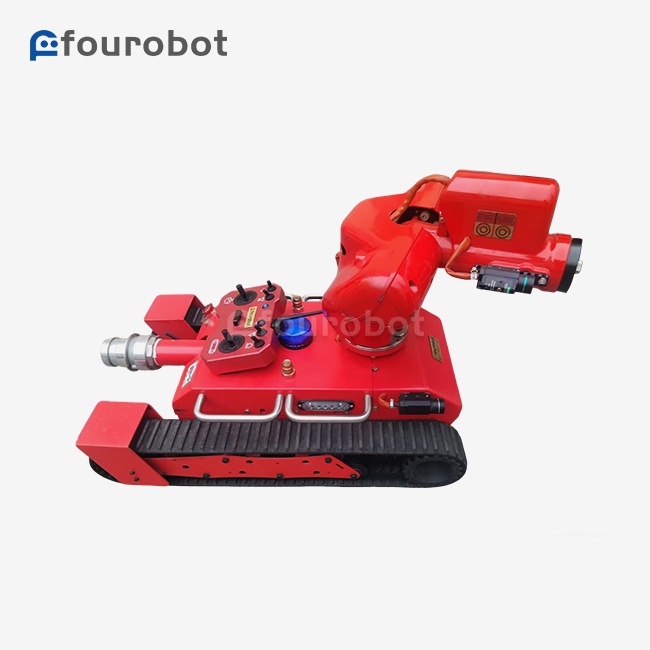
A portable fire robot is a small, tactical tool that can be controlled from a distance. Its job is to put out fires and give people in dangerous places real-time information about what's going on. Unlike traditional large-scale fire robots, this specialised equipment is made to be quickly deployed. It usually has a flexible base that can be taken by hand or attached to regular emergency vehicles. It solves some of the biggest problems in the industry, like "the last mile" of interior firefighting where big machines can't go, the high risk of people being hurt by flashovers or buildings falling down, and the difficulty of getting equipment through tight spaces like tunnels, narrow hallways, or cities with lots of buildings.
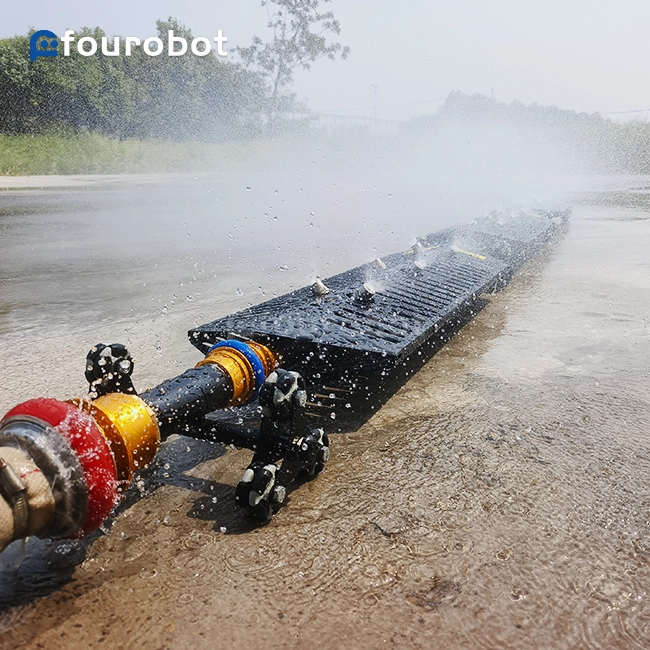
The technical design usually includes a high-torque crawler chassis that can get through small places and a special low-profile spray system that can get into areas under the chassis when things get tough. Key technical features include an IP67-rated heat-shielded container that can handle temperatures above 600°C, built-in thermal imaging for finding hotspots, and flow rates higher than 2000 litres per minute. For robotic firefighting performance, these robots meet international standards like NFPA 1801 and EN 1846-3. This makes sure that they are legal in many places and for many uses.
Core Operational Components and Safety Features
Modern units have complex sensor systems that constantly check the surroundings for changes in temperature, smoke density, and structure dangers. There is 0.8 MPa of water pressure, and the water monitor can handle 10 to 20 litres of water per second. The water spout can shoot more than 50 meters. Auto-sway monitor technology lets the robot fight fires on its own when certain conditions are met. This makes the job of the pilot easier during long operations. Human firemen can control the robot from up to 200 meters away from very dangerous and powerful fire scenes while still having full operational control. This greatly reduces the risk to people.
Thermal cameras send 4K video clips to incident leaders so they can see what's happening in real time even when there is no sight. This feature makes it possible for safe scouting trips to be done before the structure is fully stabilised. This lets teams check out the conditions inside without putting lives at risk. When emergency reaction teams have movement, heat awareness, and the ability to operate from a distance, it changes how they handle dangerous fire situations, especially in small areas where standard tools don't work.
Primary Application Scenarios Across Industries
Portable fire robots are great in three main high-risk situations that make traditional rescue methods hard to use:
Management of petrochemical and oil depots: In areas with an explosive atmosphere (Ex zones), these robots are sent to leak centers to cool them down without putting people in danger. The design is explosion-proof and meets strict safety standards, so it can be used in places where even small sparks could cause disasters.
Underground and Tunnel Reconnaissance: These units work great in train tunnels and basement fires where there is a lot of smoke and radio disturbance because they are small. The low profile makes it possible to move through debris fields after a building has fallen and send important local data to command centers.
Underground Parking Garages: The portable fire robot can get under cars to put cooling agents directly into the cases of batteries, where people can't because of low headroom and thick smoke. It is very important to have this ability in case of an electric car fire, where thermal runaway needs to be stopped for long periods of time.
These uses show how firefighter tools that can be controlled from a distance can help with basic safety issues while still doing its job well. The ability to quickly deploy and put together parts fits perfectly with the needs of fire departments, workplace fire units, and emergency rescue teams that value dependability and quick reaction.
Step-by-Step Guide: How to Operate a Portable Fire Robot?
Pre-Operation Inspection and Setup Procedures
Thorough pre-deployment checks are the first step in using firefighting robots successfully. Teams have to make sure that the battery levels meet the base requirements for operation, which are usually 80% or higher for long tasks. As part of the hardware review, the crawler track tension is checked, the nozzle movement is made sure to work easily across the full range of motion, and all sensor arrays are made sure to show correct readings. Communication systems need to be tested for signal strength to make sure that the remote control works reliably over the lengths that are meant for use.
Setting standard values and making sure GPS works when needed are part of calibrating guidance systems. The lenses of thermal image cameras need to be cleaned and the temperature needs to be checked against known heat sources. Pressure tests must be done on water supply lines to make sure they don't break during vital control operations. Operators should make sure that all emergency stop systems work and that the tanks for extinguishing agents are full.
As part of reviewing documents, you should make sure that operating routines are up-to-date, that you understand the site-specific risks listed in pre-incident plans, and that you are following the right channels of contact with the command staff. This organised method cuts down on equipment breakdowns during tasks where lives rely on it working properly.
Remote Control Interface and Tactical Maneuvering
The robot is controlled by users through simple remote controls that use thermal imaging and sensor input to help with precise fire prevention tasks. The control station usually has two joysticks. One controls the crawler's direction and speed, and the other controls where the nozzle is placed and how much water flows. High-resolution screens show many types of data at the same time, such as feeds from the forward-facing camera, thermal images, battery state, water pressure readings, and proximity sensors that show where obstacles are.
When operators do strategic manoeuvring, they have to find a balance between speed and knowing the terrain. Crawler systems work great on areas that are covered in debris, but operators need to be aware of how small debris might affect steadiness. Getting through tight spaces requires precise control inputs, and operators often have to switch between camera views to keep track of where they are in space. When vision is zero, the thermal imaging feature comes in very handy because it lets workers find heat signs that mean there is an ongoing fire.
During a fire, workers place the robot so that the extinguishing agent works as well as possible. The auto-sway monitor lets the robots move in patterns that spread water over larger areas. This is especially useful in big industrial fires. When certain pieces of equipment or structures need focused cooling, manual override lets you do it precisely. Continuously checking operating state signs helps workers spot problems like parts that are getting too hot, water flow dropping, or contact signals getting weaker, so they can take action before they become major problems.
Post-Operation Maintenance and Documentation
Once a mission is over for the portable fire robot, it's important to follow certain steps that keep tools in good shape. Extinguishing agents leave behind acidic leftovers that need to be cleaned off right away. This is especially important after chemical fire control, where special compounds may damage parts over time. Crawler tracks need to be cleaned of dirt and checked for damage from sharp objects that come up during work.
When you refill materials, you fill up water tanks, replace used fire agent cartridges, and charge battery systems according to the manufacturer's instructions. As part of routine maintenance, joint points are oiled, electrical connections are checked for damage or rust caused by heat, and sensor accuracy is compared to standards for calibration. During planned maintenance times, software updates should be performed to include bug fixes and changes made by the maker.
Operational paperwork keeps track of mission-critical information like the length of the deployment, the weather conditions that were met, any problems with the equipment's performance, and evaluations of how well the reduction worked. This knowledge helps repair teams plan when to replace parts and leads future strategy choices. Keeping detailed records is also important for guarantee claims and the legal compliance reporting that some businesses need.
Portable Fire Robot vs Traditional Firefighting Equipment: A Comparative Analysis
Mobility and Deployment Advantages
When you compare normal fire trucks to remotely run platforms, you can see that they are very different in terms of movement and response speed. Traditional fire cars need access to roads and enough space to work, which makes them less useful in crowded cities or industrial parks with limited access. Stationary robotic systems are very good at suppressing things, but they can't be moved around easily once they're in place.
Portable units fill in this gap in capabilities by being small enough to be moved by standard emergency cars. The flexible frame lets you take it by hand when vehicles can't get to it, which means you can do "last mile" deployments that big machinery can't do. When standard equipment can't go to certain places, like mines, limited spaces, or multi-level industrial buildings, this movement advantage is very important.
Comparisons of deployment speeds show that compact robots are much better. Using traditional equipment means that crews have to set up positions, launch hoses, and connect to water supplies, all of which take time that can't be wasted when fires are spreading quickly. When portable robots arrive, they are ready to go within minutes and can start suppressing right away while standard resources continue with setup. This edge in time can mean the difference between keeping the damage to a minimum and losing a lot of property.
Performance Metrics and Operational Costs
Battery life is still an important performance measure, and most modern units can run continuously for 4 to 6 hours in normal circumstances. This endurance goes beyond the normal length of time for controlled fires and lets spying tasks last longer in complicated situations. Fuel-powered options can be used for an endless amount of time, but they don't offer the safety benefits of electric movement in dangerous environments.
Comparing how durable different things are shows that movable robots can handle punishments that would put people out of work. The heat-shielded shelters keep working even when the temperature outside is 600°C or higher, which would normally cause safety equipment to stop working. Crawler systems can get through dangerous areas like chemical spills, garbage fields, and shaky surfaces. This resilience means that operations can continue throughout the timeline of an event, while rescuers need to be rotated when they hit their heat exposure limits.
Operational costs for the portable fire robot present compelling economic arguments. Traditional firefighting needs a lot of training, replacing of protection gear, and long-term health tracking of people who work in dangerous settings. Portable robots get rid of the costs of exposing people to danger and lower insurance rates by making things safer. Maintenance costs can be planned for when parts are replaced on a regular basis instead of having to be fixed quickly after being abused in difficult circumstances.
Real-World Case Study Evidence
It is known that portable robots work because of events that have been recorded. When standard foam applications failed to put out a chemical tank fire in 2022 in the Gulf Coast area, a refinery fire showed better performance. The deployed robot stayed in place even though the direct heat was over 800°C. It applied cold water continuously for six hours, until the interior temperatures dropped below the point where they could start a fire again. The people working on this task could not have done it without getting hurt badly.
Underground parking lot fires involving electric cars are especially difficult situations. A fire department in a big city said that the old way of doing things needed 12 hours of irregular watering to keep the temperature stable in a single EV battery fire. Using a movable robot that could get under the chassis cut this time down to 4 hours by applying a cooling agent directly to the battery case. This kept nearby vehicles and structures from getting damaged by water.
The mining industry's use of this technology shows that they trust it for use in tight spaces. Portable robots have been added to emergency response plans by a number of big organisations, especially for underground fires where the amount of smoke and weakness of the structure make it unsafe for people to enter during the first stages of the response. These real-world applications show that the technology works better than what it says it will in theory.
Procurement Insights: Selecting and Purchasing the Right Portable Fire Robot
Essential Selection Criteria for Industrial Applications
To choose the right firefighter robots, you need to take a strategic look at the working needs that are specific to each industry setting. The setting is something that procurement managers have to think about. For example, will the robot mostly work indoors or outdoors? What kinds of weather changes will it face? Do we need grades for dangerous atmospheres? These basic questions help shape the technology standards that limit the choices that are available.
Performance factors need careful thought that goes beyond business requirements. The amount of water that can flow must meet the expected fire load. For example, higher flow rates may be needed in industrial applications than in warehouses. Target identification accuracy is affected by the precision of thermal imaging when smoke is present. To account for radio interference in industrial settings, communication range standards should be longer than the usual placement lengths by a safety limit.
Types of ground the robot will travel over are one thing to think about when mobility. Wheeled platforms may work well in buildings with smooth concrete floors, but tracked crawler systems are needed at emergency events where there is a lot of debris. Size restrictions are very important. Low-profile designs are needed for accessing under vehicles or entering small spaces, while bigger platforms are more stable for use outside.
Integration with current safety systems is an important factor that is often forgotten when buying something. Can the robot talk to the fire alarm systems in the building? Does it allow online tracking through the network that's already in place? These questions about connectivity affect the total costs of execution, not just the cost of buying the tools.
Financial Considerations and Supplier Selection
The budget for remotely run firefighter equipment like the portable fire robot includes costs for the whole life of the equipment, not just the price of buying it. Professionals in procurement should look at the total cost of ownership, which includes things like how often consumables need to be replaced, how long batteries are expected to last, and how to update. Leasing agreements are an alternative way to get money that keeps your capital safe and gives you access to the latest technology.
Warranty terms change a lot from one seller to the next, so it's important to compare them carefully. Failures of parts, software support, and reaction times for field repair should all be covered in full. Companies that don't have their own technicians on staff may find that extended insurance choices save them money on fixes.
If you buy from authorised providers, you can be sure that you can get real spare parts, approved training programs, and ongoing expert help for as long as your equipment lasts. You can't say enough good things about after-sales service. When equipment breaks down in an emergency, you need it fixed quickly, so how fast a seller is should be one of your main criteria for choosing one. Managers in charge of buying things should check a supplier's skills by calling past customers who have had similar operating problems.
Options for customisation let you make tools fit your personal needs. Some of the best manufacturers offer flexible extension systems that include nozzles that are specifically made for certain fire extinguishers, camera systems that work better in tough conditions, and frames that are stronger for those conditions. Knowing about these customisation options during buying lets you get the best setup for your organization's needs.
Compliance and Certification Requirements
Regulatory compliance is an important thing to think about when buying something, especially for businesses that do business in more than one state. Safety standards must be met by all equipment, such as NFPA guidelines, ATEX licenses for dangerous atmospheres, and industry-specific rules for mining, oil and gas, or chemical processing.
Technical specification sheets, approval letters, and testing results are some of the documents that must be sent with appropriate equipment. Professionals in charge of buying things should make sure that sellers provide full sets of documents to back up their claims of compliance. This paperwork is very important during regulatory checks or investigations into accidents where the abilities and licenses of the tools are being looked at closely.
Depending on the field and the place where the business is located, training and licensing for workers may be required by law. The procurement should include both initial training programs for operators and ongoing measures for keeping their skills up to date. Some providers offer full training programs that include hands-on lessons, practice exercises, and competency certificates. These programs meet legal standards and improve working skills at the same time.
Conclusion
Operating portable fire robots well requires both technical know-how and strategy planning for deployment. This lets emergency reaction teams handle dangerous situations with never-before-seen levels of safety. Systematic processes make sure that operations go smoothly when lives and property are at stake, from pre-operation checks to tactical manoeuvring and care after the task. Firefighting equipment that can be moved around more easily, poses less of a risk to people, and operates more cheaply than standard equipment has strong arguments for acceptance across all industries. Organisations can get the most out of their investments when they make purchasing choices based on thorough needs analysis, source review, and lifetime cost analysis. As technologies change because of AI, better sensors, and longer durability, early users gain practical benefits and protect emergency response infrastructure against new industry dangers.
FAQ
How long do you think the batteries will last when the fire is actually going on?
Modern portable fire robots can work nonstop for 4 to 6 hours in normal conditions, but their real longevity depends on the surroundings. It takes longer for batteries to die when it's hot outside, and they use more power when they have to move quickly over rough ground or stay in high-flow water for a long time. When planning for purchases, it's important to think about the worst-case situations, in which the time a process can last may drop by 30 to 40 percent. Backup power systems and the ability to make changes quickly take away worries about long-lasting problems, making sure that operations can continue during emergency response times.
How do these robots work with fire alarm systems that are already in place?
Modern units support a number of different transmission methods, which makes it easy to connect them to fire warning and building control systems. Standard interfaces include Modbus, BACnet, and custom APIs that let deployments happen automatically when certain conditions are met. The connection lets robots get real-time alerts with information like where the fire is and what kind of danger was discovered. This lets them act right away without having to wait for a person to help. Custom connection services help match the robot's skills with older systems in buildings that already have them, where standard methods might not work.
What kind of training do operators need?
For basic operation, you usually need 8 to 16 hours of hands-on training that covers how to use the remote control interface, how to move tactically, and how to do regular repair. Advanced training programs that last 40 hours or more include scenario-based drills that simulate different emergency situations, as well as learning how to read thermal images and fix problems. In some places, operators must go through licensing programs to show they are competent before they can be sent on their own. Regular refresher training keeps skills up to date during times when they aren't being used, making sure that people are ready for situations.
Partner with SISANLIN for Advanced Firefighting Solutions
Under the fourobot® and SISANLIN® names, SISANLIN Group is a leader in robotics and engine research. They offer complete firefighter robot systems that are made to work in tough industrial settings. Our all-in-one service includes researching and developing fire robots, engines, drones, and rescue equipment, as well as making them, selling them, and fixing them when they break. We use strict quality management throughout the whole process, from development to production to after the sale. Our years of experience providing high-performance equipment that meets international standards have helped procurement workers find trusted portable fire robot providers. We encourage fire services, government agencies, and industrial facilities to look into custom options that fit their unique needs. You can email our technology team at sales@fourobot.com to talk about rollout situations, set up hands-on demos, or ask for full specification documents to help with your buying process.
References
National Fire Protection Association (2021). NFPA 1801: Standard on Thermal Imagers for the Fire Service. Quincy, MA: NFPA Publications.
Johnson, M.R. & Williams, K.T. (2022). Robotic Systems in Emergency Response: Performance Analysis and Operational Guidelines. Journal of Fire Protection Engineering, 32(3), 245-267.
International Association of Fire Chiefs (2023). Guidelines for Remote-Operated Firefighting Equipment Deployment. Fairfax, VA: IAFC Press.
Chen, L., Rodriguez, P., & Yamamoto, H. (2023). Thermal Management in Extreme Environment Robotics: Design Principles and Case Studies. Industrial Safety Review, 18(2), 112-135.
European Committee for Standardization (2020). EN 1846-3: Firefighting and Rescue Service Vehicles - Part 3: Permanently Installed Equipment. Brussels: CEN Publications.
Thompson, A.D. (2022). Economic Analysis of Robotic Firefighting Systems in Petrochemical Facilities. Process Safety Progress, 41(4), 623-641.
Learn about our latest products and discounts through SMS or email