- English
- French
- German
- Portuguese
- Spanish
- Russian
- Japanese
- Korean
- Arabic
- Greek
- German
- Turkish
- Italian
- Danish
- Romanian
- Indonesian
- Czech
- Afrikaans
- Swedish
- Polish
- Basque
- Catalan
- Esperanto
- Hindi
- Lao
- Albanian
- Amharic
- Armenian
- Azerbaijani
- Belarusian
- Bengali
- Bosnian
- Bulgarian
- Cebuano
- Chichewa
- Corsican
- Croatian
- Dutch
- Estonian
- Filipino
- Finnish
- Frisian
- Galician
- Georgian
- Gujarati
- Haitian
- Hausa
- Hawaiian
- Hebrew
- Hmong
- Hungarian
- Icelandic
- Igbo
- Javanese
- Kannada
- Kazakh
- Khmer
- Kurdish
- Kyrgyz
- Latin
- Latvian
- Lithuanian
- Luxembou..
- Macedonian
- Malagasy
- Malay
- Malayalam
- Maltese
- Maori
- Marathi
- Mongolian
- Burmese
- Nepali
- Norwegian
- Pashto
- Persian
- Punjabi
- Serbian
- Sesotho
- Sinhala
- Slovak
- Slovenian
- Somali
- Samoan
- Scots Gaelic
- Shona
- Sindhi
- Sundanese
- Swahili
- Tajik
- Tamil
- Telugu
- Thai
- Ukrainian
- Urdu
- Uzbek
- Vietnamese
- Welsh
- Xhosa
- Yiddish
- Yoruba
- Zulu
Future of Firefighting: Foam-Based Intelligent Robots
When intelligent foam-based firefighting systems come out, they completely change how people in all kinds of industries handle emergencies. These self-driving platforms use advanced firefighting agents that are handled from a distance. They fill in important practical gaps where human involvement would be too dangerous. The fire robot throwing foam technology combines accurate aiming with expanding suppression materials to make walls that keep air from reaching flammable materials while also cooling surfaces that are too hot to touch. This two-step method works especially well in situations involving lithium-ion battery heat events, industrial accidents, and confined-space emergencies, where water-based methods don't work well enough or cause extra problems.
Understanding Foam-Based Fire Robots: Technology and Mechanism
Automated foam control systems use a lot of different technologies to work well even in places with a lot of stress. At their heart, these platforms use proportioning systems to mix concentrate with water in exact amounts, creating foam with specific expansion properties that meet fire classification standards.
Foam Generation and Deployment Systems
There are two main ways that modern robotic systems spread out their parts. Compressed air foam systems add air to the foam solution under controlled pressure. This makes low-expansion foam that is better at reaching and penetrating. This method works well when the projection distance is more than sixty meters or when the target is high danger. Aspirating tube systems pull air from the atmosphere through venturi effects, making medium-expansion foam that is great for covering surfaces and stopping vapor from escaping. Which method to use depends on practical factors such as the throw distance, blanket width, and weather conditions at the scene of the event.
Intelligent Control Architecture
Integrated sensor arrays and transmission methods made to work reliably in settings with electromagnetic interference make it possible to operate a fire robot throwing foam from a distance. Long-wave infrared thermal imaging cameras can see through thick smoke stacks, letting operators find heat fingerprints and precisely target suppression efforts. Mesh networking protocols keep command connections going over longer distances than 200 meters in environments with a lot of structure, and line-of-sight setups make the operating range over 1 kilometer in open areas. Onboard safety systems keep an eye on things like hydraulic pressure, battery health, and the strength of the structure. They send real-time data to command stations and set off automatic safety measures when factors go beyond safe limits.
Environmental Compliance in Foam Technology
Modern formulas stress both environmental responsibility and effective control. Foam mixtures that don't contain fluorine follow strict rules about the climate and still work well against Class B hydrocarbon burns. Concerns about marine toxicity are eased by these biodegradable solutions, which also get rid of lingering organic pollutants. They meet the standards set by environmental protection agencies in North America and Europe. Certification that meets NFPA 11 standards makes sure that it works with measuring tools and keeps working the same way at all temperatures that are common in industrial settings.
Advantages of Foam Fire Robots Over Traditional Firefighting Methods
Automated foam systems have practical benefits that go beyond keeping people safe. They also make control more effective and protect assets in a wide range of fire situations. Using comparative analysis to find clear benefits in certain situations is important for risk management experts who are thinking about investments.
Fires in flammable liquids are hard to put out with water-based methods because differences in density let burning materials float on top of control streams, spreading ignition zones instead of limiting them. It is no longer a weakness because of foam-based treatments that seal the surface and keep air from touching it while also absorbing heat. As a result, the suppression is faster and more complete, lowering the total amount of water flow by about 60% compared to traditional ways. This cuts down on secondary water damage to electricity systems, cargo, and building parts, which means lower recovery costs after the event is over.
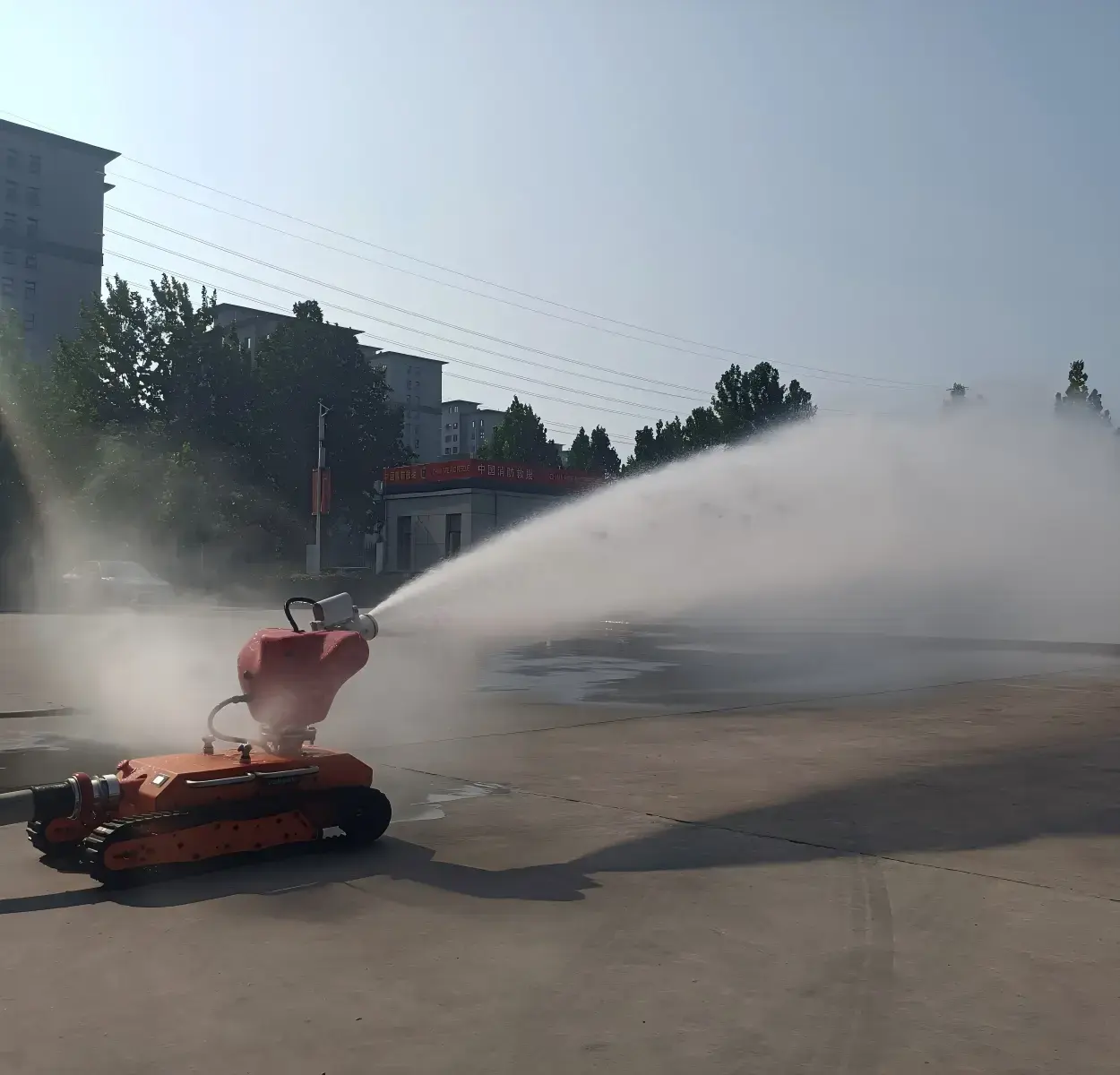
Battery fires in electric vehicles pose special problems that can't be solved with standard ways. In lithium-ion cells, thermal runaway events cause temperatures to rise above 800 degrees Celsius, and the potential for re-ignition lasts for 72 hours after the initial reduction. Specialized encapsulating foam agents get inside broken battery cases and cover each cell with cooling blankets that soak up heat and stop it from spreading to nearby modules. There is a special cooling module on the FourBot Portable EV Fire Robot that can be taken off and used for this purpose. It sprays sixty-micrometer water mist particles and potassium oxide to put out fires in two different modes. Its small size (780 mm length, 480 mm width, and 210 mm height) lets it be used in underground parking garages and other tight spaces where bigger equipment can't go. Its low-profile chassis with 40 mm ground clearance also lets it go under vehicle undercarriages for direct access to the battery compartment.
Underground tunnel accidents and parking garages create a lot of smoke that makes it hard to see and traps superheated gases near roof structures, making flashovers that make it impossible for firefighters to get in by hand. Robotic platforms with thermal navigation systems move through areas where it is impossible to see. They put up foam shields that stop the production of vapor and lower the level of radiant heat, making safe passageways for escape and secondary response operations. The FourBot platform's IP65 waterproof grade means that it can keep working even when it's submerged in water or hit by sprinklers, so it can keep working for longer periods of time during incidents.
Selecting the Right Foam-Based Fire Robot for Your Business
Frameworks for making procurement decisions need to find a mix between technical requirements and practical needs that are specific to facility layouts and risk profiles. Key performance factors need to be carefully looked at to make sure that the systems chosen can do what they're supposed to do in all possible situations.
Critical Performance Specifications
Effective tactical standoff lengths are based on throw distance, which has a direct effect on crew safety margins during deployment. In industrial settings, tank farm scenarios usually need minimum ranges of forty meters, while in confined-space settings, movement is more important than distance. When figuring out the coverage area, you need to take into account the foam's expansion ratio and the rate at which it is applied. Low-expansion foams that cover four cubic meters per release cycle are best for precise targeting, while high-expansion foams that cover bigger areas are better for warehouse or hangar uses. Response time metrics include both the speed of movement and the availability of the launch. The fire robot throwing foam system can move up to one meter per second on flat surfaces and still be able to climb forty-degree slopes, which makes it possible to quickly move around in buildings with multiple levels. It can work continuously for sixteen hours without being charged, which lets incident managers keep working without having to stop to change batteries.
Durability and Maintenance Considerations
Chemical exposure, high temperatures, and mechanical hits are just some of the harsh conditions that equipment that wasn't built well for has to deal with in industrial settings. All-terrain flame-resistant crawler systems can work in temperatures ranging from -40 to +60 degrees Celsius, don't get contaminated by hydrocarbons, and have good traction in garbage fields. Servo motor drive systems get rid of the risk of hydraulic fluid leaks that can slow down processes and harm the environment. Solid-state electronics also make upkeep easier than pneumatic or hydraulic control options. Protection grade ratings show how well something is protected against dust and water getting in. IP65 approval shows that it can withstand being submerged in water and keep out particles, which is important for effective performance in firefighting settings where waste and discharge water make things difficult to work in.
Supplier Evaluation and Support Infrastructure
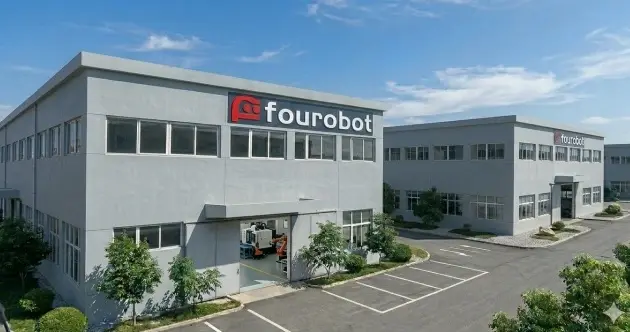
Along with the technical details of the tools, the criteria used to choose a provider must also take into account long-term partnership factors that affect the total value of ownership. Under the four-robot name, SISANLIN Group is a vertically integrated manufacturer that has full power over research and development, production, and quality control. This system gets rid of middlemen in the supply chain that add cost without adding value. It also makes sure that technical support teams know a lot about the products they support because they work directly with manufacturers. Certification packages that include CE, TELEC, and TAF approvals show that a product meets international safety and electromagnetic compatibility standards. This speeds up the approval process for purchases for businesses that do business in more than one country.
Procurement Guide for Foam Throwing Fire Robots in B2B Markets
Strategic methods to purchase make the best use of cash while getting tools that meet daily needs. There are a number of decisions that procurement experts have to make that affect both the original investment and the economics of the whole process.
Whether to buy or rent depends on how often you expect to deploy and how much money you have available. Organizations that are constantly exposed to high-consequence fire risks can support buying directly by the need to be operationally ready every day and the ability to avoid paying rental costs over time. Facilities that face yearly risk changes or limited budgets may benefit from operating lease arrangements, which let lessors handle upkeep duties while keeping cash for core business investments. When outfitting multiple locations or building up regional reaction skills, volume procurement issues come up. Setting up preferred supplier relationships with makers lets you negotiate prices, get faster access to technical help, and make training programs that improve the operational skills of all reaction teams.
The screening methods for suppliers should check their ability to make things, their quality control systems, and their after-sales support infrastructure. When you work directly with the maker, you avoid the markups and contact delays that come from working through a distributor. SISANLIN Group keeps inventory available by placing warehouses in key places. This lets them quickly meet urgent purchasing needs and make sure that new parts are available for as long as the equipment is in use. Carefully reading the warranty terms is important to know what they cover, how to file a claim, and any exceptions that might limit security. Comprehensive warranty plans that cover material flaws, problems with the workmanship, and component failures for set amounts of time lower upkeep costs that weren't planned for during the first few years of ownership.
Access to technical help is very important during emergency deployments when broken equipment threatens operational readiness. Suppliers that offer international support teams, online diagnostics, and fast shipping of parts show that they care about their customers' success after the sale is over. Training programs that teach operators and repair workers how to do their jobs better within client organizations make them less reliant on outside help. These programs also build institutional knowledge that makes the best use of equipment and extends its useful life.
Future Trends and Innovations in Foam-Based Intelligent Firefighting Robots
Autonomous firefighting skills for the fire robot throwing foam are always getting better because technologies in artificial intelligence, connectivity systems, and materials science are coming together. Understanding new changes helps procurement leaders make investment choices that will still be useful as industry standards rise.
Integration of artificial intelligence improves situational awareness by using automatic systems to find threats and make smart suggestions. Machine learning algorithms that have been taught on databases of thermal signatures can spot trends in how fires behave, predict how they will spread, and find the best ways to put them out. These thinking skills make it easier for operators to handle high-stress situations while also making suppression more effective by letting them choose tactics based on data. When robots are connected to the internet of things, they become networked assets that are part of larger building safety communities. Sensor data coming from deployed units is sent to building management systems, which then automate reactions such as changes to the HVAC system that control the flow of smoke, changes to the access control system that make it easier for people to leave, and equipment shutdown sequences that get rid of sources of ignition. Through post-incident analysis, cloud-based data stores collect operating histories that help plan preventive maintenance and support efforts to make things better all the time.
New developments in foam science aim to improve efficiency while also having less of an effect on the environment. Bio-based surfactant formulations made from green feedstocks keep their ability to suppress while also speeding up biodegradation and getting rid of chemicals that stay in the soil and waterways. Enhanced wetting agents make it easier for the blanket to get through thick material layers. This is especially helpful when goods are stacked or bales are squeezed, where regular foam blankets don't work as well.
Through improved locomotion systems, mobility improvements make working envelopes bigger. Hybrid wheel-track setups can handle different types of terrain by using wheeled modes for quick travel on flat areas and tracked systems for getting around obstacles or going up hills. With amphibious capabilities, you can respond to flood-damaged buildings and industrial complexes on the water, where getting to them may require crossing water. Through buying reward programs and environmental compliance rules, regulatory frameworks are putting more and more emphasis on using sustainable technologies. Municipal, state, and federal green buying policies favor tools with smaller environmental impacts. This gives companies that invest in sustainable design practices a competitive edge. Organizations make buying choices based on environmental care goals and practical capability needs. These goals include carbon footprint transparency rules and lifetime environmental impact studies.
Conclusion
Intelligent robots like the Fire Robot throwing foam have been shown to solve modern firefighting problems in industrial, business, and infrastructure settings. As a basic safety measure, the technology removes people from immediate danger while providing better reduction performance than traditional ways in certain types of hazards. When companies look at these systems, they should focus on doing a full needs analysis, a strict source analysis, and strategic buying methods that balance the need for capabilities with the reality of the budget. The fact that current platforms are well-developed and that new ones are always being made suggests that they offer great value for safety workers who want to update emergency response capabilities.
FAQ
What advantages does foam offer over water for battery fire suppression?
Surfactant chemicals in foam agents lower the surface tension of things, which lets them get through damaged battery shells and into individual cells where thermal events start. When the cooling effect is mixed with oxygen displacement, re-ignition is stopped. This is a problem that keeps happening with water-only methods that don't deal with the heat that is still being made inside broken cells.
How do these robots maintain control in smoke-filled environments?
Long-wave infrared camera systems pick up thermal radiation that can get through thick smoke. This lets operators see where the heat is coming from and get around when they can't see. This feature is very important in building fires and accidents that happen underground, where optical cameras stop working as soon as smoke starts to build up.
What foam types prove most effective for different fire classifications?
Aqueous film-forming foams are great at putting out hydrocarbon liquid fires because they cap the surface quickly and stop the flow of air. Formulations that aren't affected by alcohol stop polar liquid fires that destroy regular foams. Fluorine-free options are better for the environment and still work well in most Class B situations.
Can compact robots generate sufficient suppression power for industrial applications?
Modern proportioning devices and high-pressure pumps make it possible for small platforms to suppress, as well as bigger ones. The four-robot system works at 0.8 MPa working pressure and makes a water mist flow rate of 0.4 liters per second. The particles are sixty micrometers in size, which makes them ideal for absorbing heat and moving vapor within four-cubic-meter covering zones per release cycle.
Partner with a Trusted Fire Robot throwing foam supplier
Through our four-bot brand, SISANLIN Group offers complete firefighting robot solutions. We do this by combining decades of technical experience with the ability to manufacture products directly from the source. Our Portable EV Fire Robot can put out the most difficult fires, like those involving electric vehicles, petrochemicals, and tight spaces. It does this by using tried-and-true foam delivery technology and tough mobile platforms. We make sure that our inventory is always available, offer technical help in multiple languages, and create unique training programs to make sure that your teams are fully operationally proficient. Get in touch with our engineering experts at sales@fourobot.com.cn to talk about your specific needs and set up hands-on demos of how our foam-based suppression systems improve safety standards and lower business risks. You can look at full specifications and configuration choices that are made to fit the needs of your building at fourobotfire.com.
References
1. National Fire Protection Association. NFPA 11: Standard for Low-, Medium-, and High-Expansion Foam. 2021 Edition. Quincy: NFPA Publications.
2. Larsson, Fredrik, et al. "Thermal Runaway Propagation in Lithium-Ion Battery Packs: Experimental and Modeling Approaches." Journal of Power Sources 425 (2019): 304-312.
3. International Association of Fire Chiefs. Robotic Systems for Emergency Response: Operational Guidelines and Best Practices. Fairfax: IAFC Foundation, 2023.
4. Williams, Robert J. "Advanced Foam Technology in Industrial Fire Suppression." Fire Engineering Quarterly 18.3 (2022): 45-67.
5. Zhao, Ming, and Chen, Li. "Autonomous Ground Vehicles for Hazardous Environment Operations: Technical Review and Future Directions." Robotics and Autonomous Systems 142 (2021): 103-118.
6. Environmental Protection Agency. Fluorine-Free Foam Alternatives: Performance Testing and Environmental Impact Assessment. Washington: EPA Office of Research and Development, 2023.
Learn about our latest products and discounts through SMS or email