- English
- French
- German
- Portuguese
- Spanish
- Russian
- Japanese
- Korean
- Arabic
- Greek
- German
- Turkish
- Italian
- Danish
- Romanian
- Indonesian
- Czech
- Afrikaans
- Swedish
- Polish
- Basque
- Catalan
- Esperanto
- Hindi
- Lao
- Albanian
- Amharic
- Armenian
- Azerbaijani
- Belarusian
- Bengali
- Bosnian
- Bulgarian
- Cebuano
- Chichewa
- Corsican
- Croatian
- Dutch
- Estonian
- Filipino
- Finnish
- Frisian
- Galician
- Georgian
- Gujarati
- Haitian
- Hausa
- Hawaiian
- Hebrew
- Hmong
- Hungarian
- Icelandic
- Igbo
- Javanese
- Kannada
- Kazakh
- Khmer
- Kurdish
- Kyrgyz
- Latin
- Latvian
- Lithuanian
- Luxembou..
- Macedonian
- Malagasy
- Malay
- Malayalam
- Maltese
- Maori
- Marathi
- Mongolian
- Burmese
- Nepali
- Norwegian
- Pashto
- Persian
- Punjabi
- Serbian
- Sesotho
- Sinhala
- Slovak
- Slovenian
- Somali
- Samoan
- Scots Gaelic
- Shona
- Sindhi
- Sundanese
- Swahili
- Tajik
- Tamil
- Telugu
- Thai
- Ukrainian
- Urdu
- Uzbek
- Vietnamese
- Welsh
- Xhosa
- Yiddish
- Yoruba
- Zulu
Smallest Fire Robot Applications in Underground Parking Systems
Some of the most difficult fire safety situations in modern structures occur in underground parking garages. The smallest fire robot is designed to deal with these specific dangers by mixing small size with strong control abilities. This lets it be quickly deployed into small spaces where traditional firefighting methods fail. These units are controlled remotely and can send targeted streams of water or foam. They also protect first responders from the toxic smoke, high heat, and building fall risks that come with parking underground.
Understanding Compact Firefighting Robots and Their Role in Underground Parking Systems
What Makes These Units Ideal for Confined Space Operations?
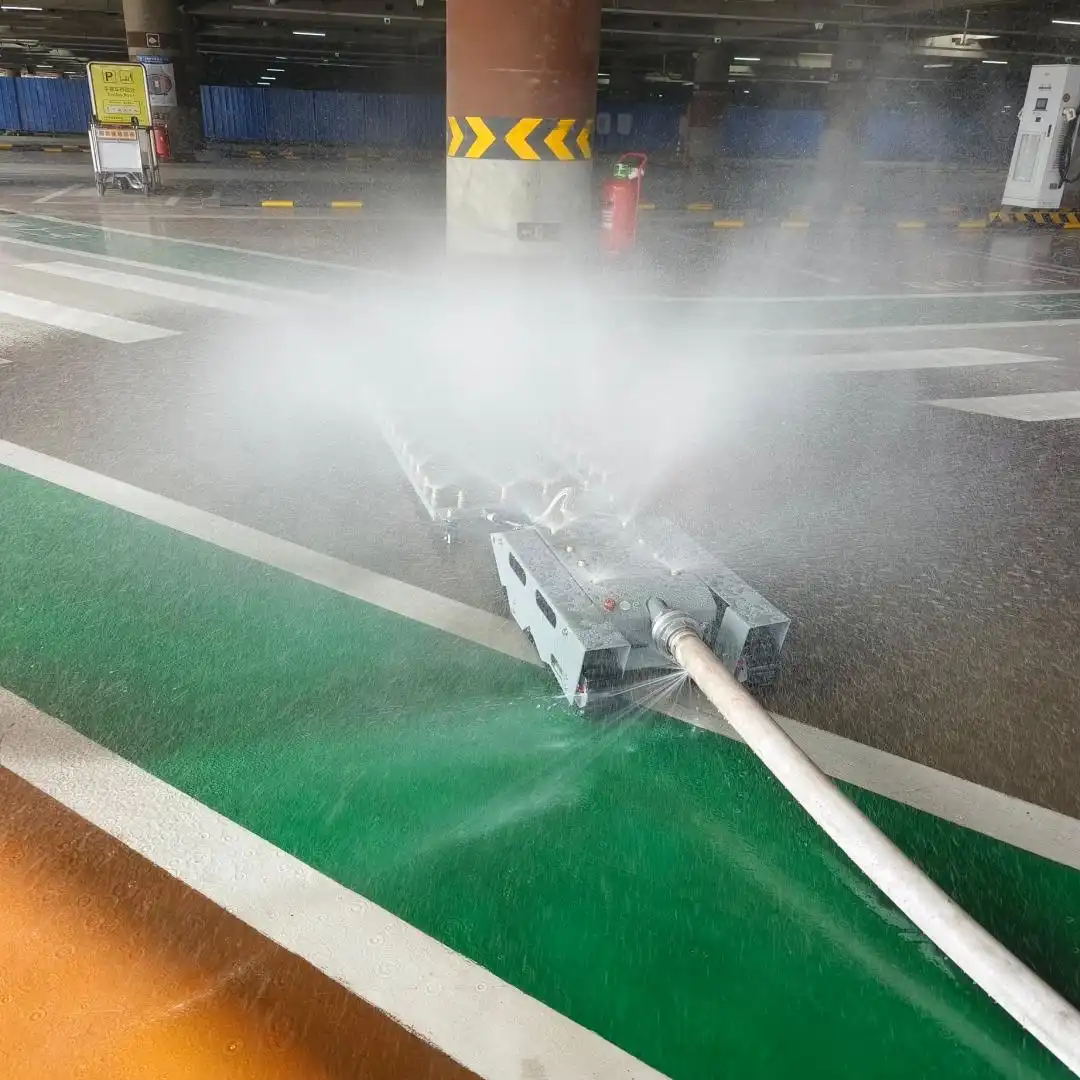
Smallest Fire Robots are a special kind of driverless ground vehicle that is designed to work in places where regular tools can't be used because of lack of room. The FourBot Portable Fire Robot is a great example of this design theory. It's only 880mm long, 480mm wide, and 610mm high, and it only weighs 68 kg, so it can be moved quickly and easily through normal doorways and car ramps by a single operator. When moving between stopped cars, through stairwells, or into mechanical rooms, which are common places where fires start, these requirements become very important.
The engineers who work on these units try to get the most out of their small spaces while still giving them the most power. All-terrain rubber crawlers that are resistant to fire can grip oily concrete floors, car trash, and ramps that are sloped up to 40 degrees. The IP65 grade for waterproofing makes sure that the device will still work properly even if sprinklers go off or foam blankets cover the area. With a ground clearance of about 40 mm and the ability to cross obstacles up to 100 mm with slope aid, these robots can move through debris fields that would stop wheeled options.

Advanced Detection and Suppression Integration
These days, the smallest fire robots have many monitoring systems built in, which make them more useful than just delivering water. Thermal imaging features, which can be added as an extra, let firefighters find fire sources and stuck people by finding heat signals through thick smoke that regular optical cameras would miss. Temperature sensors with audible alarms let workers know when conditions get close to being dangerous, giving them important information they can use to make practical decisions.
The reduction systems on these machines work better than their small size would suggest. At 0.8 MPa pressure, the four-bot unit can move water at speeds of 600 to 1200 liters per minute. In ideal conditions, it can throw up to 45 meters. The monitor head can turn 60 degrees horizontally and 70 degrees vertically. This lets workers precisely direct streams without having to move the whole frame. Spray modes can switch between focused jets for deep entry, spread patterns for covering a large area, and auto-sway functions for stopping compartments from moving around.
Remote Control Architecture for Safe Operations
The control systems that make these robots work balance their range of operation with their dependability in difficult radio frequency (RF) settings. Standard setups keep contact stable up to 200 meters away, but concrete buildings underground and electrical systems can shorten the range. By keeping this distance, operators can set up command posts outside of smoke zones while still being able to see what's going on around them thanks to onboard cams and sensor data.
Another important thing to think about for basement parking uses is battery technology. It is possible for the four-robot system to work nonstop for up to 16 hours or for about two hours of busy travel and suppression tasks. This longer duration ensures that units can continue to operate during extended events like electric car fires, which may require constant cooling efforts for hours. Optional low-temperature battery configurations can help facilities in cold areas where normal lithium cells might not work well.
Challenges in Firefighting Within Underground Parking and How Compact Robots Solve Them
Ventilation Constraints and Toxic Atmosphere Development
Most underground parking garages don't have a lot of natural airflow. Instead, they rely on automatic cooling systems that don't work well during fires. Small rescue robots take away the need for people to go into these dirty environments right away. Operators set up units from safe spots on entrance ramps or elevator steps. This lets the robot move into smoky areas while sending visual and thermal data. This scouting feature provides incident leaders with real-time information on fire location, intensity, and spread, enabling safer planning for firefighting without exposing personnel to respiratory hazards or high temperatures.
Access Limitations and Structural Obstacles
The layout of underground parking lots makes it hard to get to many places, which makes standard firefighting harder. The distance between vehicles and columns is often less than three meters, which makes it impossible to place big equipment. Entrance ramps have sharp turns and changes in height that make it hard to move heavy things. When budget-friendly building projects finish, they often leave ceilings only 2.3 meters high, which doesn't leave much room for cars or fire smoke.
These limitations directly affect the size requirements for small robots. The four-robot machine can move between closely parked cars with plenty of room to spare thanks to its 480mm width. The crawler-based propulsion system stays stable on slopes and moves smoothly from one ramp surface to the next without the user having to make any adjustments. When ceiling heights make it hard to raise the monitor, the collapsible design lowers the total height from 690mm to 610mm with the monitor head down. This keeps the passageway clear while still being able to suppress.
Personnel Safety Risks During Initial Response
Protecting firefighters' lives during the initial attack operations is still the hardest part of fighting fires in underground parking lots. Using small robots as first-response units changes this risk scenario in a big way. These systems take the first hits from dangerous situations while human workers set up defenses and get backup lines ready. Because the water throw range is 45 meters, robots can fight fires from safe distances, cooling down areas before people arrive. In industrial sites and transportation tunnels where robotic systems have been used in the real world, there have been measured drops in the number of injuries and close calls involving firefighters.
Comparison of Compact Fire Robots vs Traditional Firefighting Methods and Technologies
Performance Against Conventional Manual Tactics
In traditional underground parking garage fire suppression, firemen move hose lines through entry points. This usually takes a lot of teamwork to keep the water supply going while managing equipment. This method wastes time because teams have to put on safety gear, find water sources, and move through smoke-filled areas. As teams look for fires, they have to move attack lines around a lot, and the physical demands of the job make it hard to stay on duty for long before backup crews are needed.
Smallest fire robots make this process a lot easier. Within minutes of arriving, a single operator can activate the unit and start surveillance and suppression operations right away. The remote operation gets rid of the need for donning time, entry team formation, and backup crew setup. Continuous 16-hour operation means that the same unit can keep up its efforts to reduce events for long periods of time without losing performance due to tiredness. From the point of view of procurement, these efficiency gains mean that fewer staff are needed during events and sites can get back to normal faster.
Advantages Over Larger Industrial Firefighting Robots
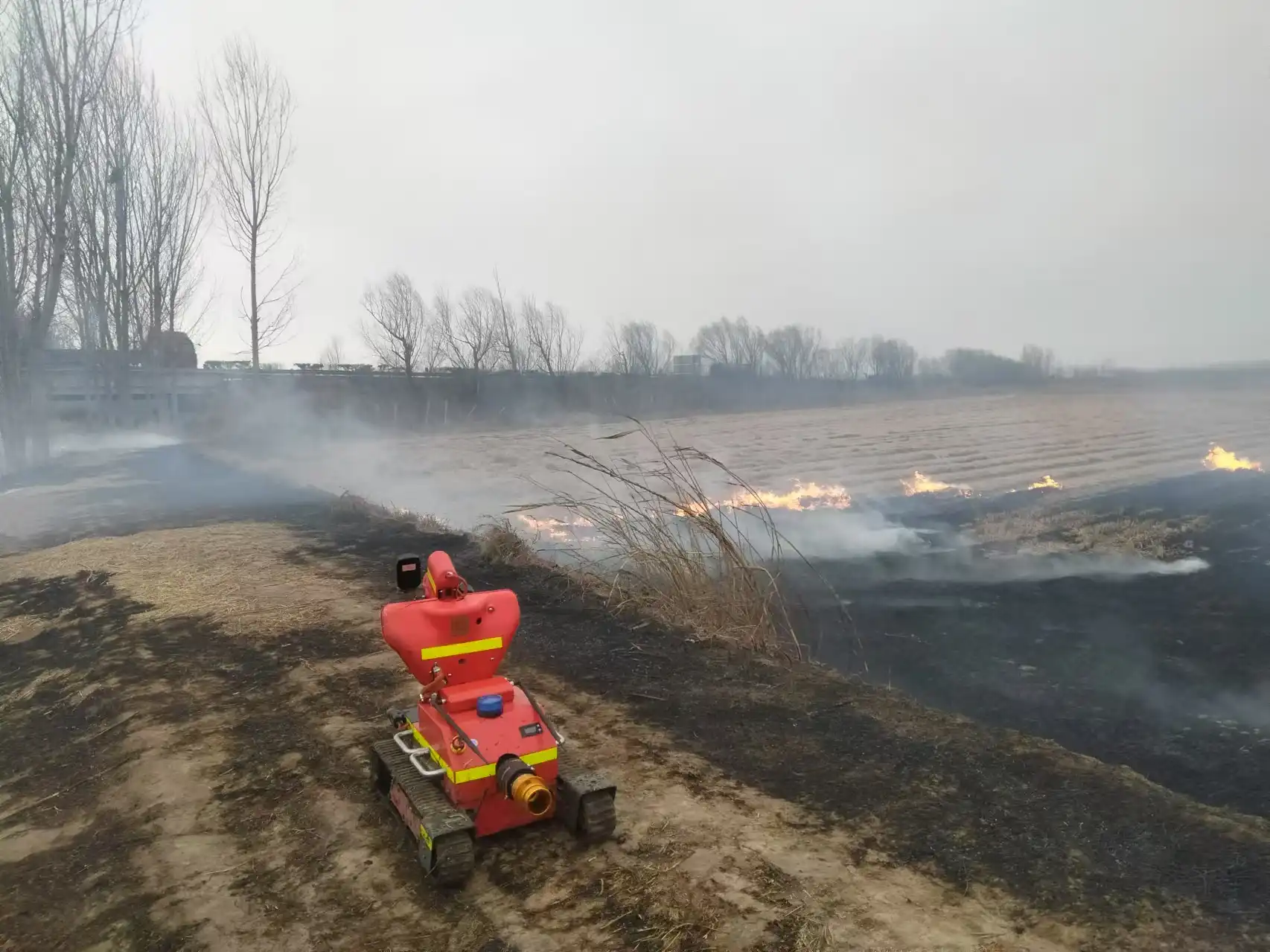
Industrial firefighter robots have been used in dangerous places for decades, but their size makes them hard to use in underground parking lots. Standard industrial units usually weigh between 500 kg and 2000 kg and need special moving tools, which makes them hard to set up quickly. Their bigger sizes make it harder to move around in crowded areas, and their powerful water delivery systems might be too much for fires in passenger vehicles where limited application keeps damage to nearby property to a minimum.
Smaller units give you more options for where to put them than bigger robots can. The four-robot system's 68 kg weight means that it can be moved in regular emergency cars, without the need for special trucks or lifting gear. With the ability to "turn in place," it can go around tight turns and change directions in small areas where bigger tracked vehicles would need a lot of room to move. For procurement officials looking at the total cost of ownership, small robots usually need less expensive upkeep programs and use fewer products while still performing at a level that is right for the threat environment.
Comparison With Drone-Based Fire Solutions
More and more people are interested in using unmanned flying vehicles for wildfire because they can see through smoke and heat and give firefighters a better idea of what's going on below. When used outside, drones are useful for gathering information that helps activities on the ground. However, underground parking garages make it very hard for overhead platforms to work. Drones lack GPS signals underground, risk collisions with structures, and their rotor wash can spread flames.
These problems can't happen with ground-based small robots, which can also do things that flying systems can't. The direct water application from monitor devices puts out fires instead of just watching them burn. Because tracked chassis systems are physically stable, they can keep working even when there is no sight by using sensor guidance. When looking at procurement, ground robots are always the best choice for underground jobs because they are more efficient, which means they save time and money by putting out fires faster and preventing property damage.
Procurement Guide for B2B Clients: How to Choose the Right Compact Firefighting Robot
Critical Technical Specifications for Underground Parking
The first step in choosing the right equipment is to make sure that its technical skills fit the operational needs of your building. The most important thing to think about is the space limitations—check the ceiling heights, column spacing, and ramp shapes to make sure the units you choose can fit in your space. Most business underground parking plans can fit on the 880 mm x 480 mm x 610 mm dimensions, but special facilities may need to be checked out.
The fire suppression ability must match the expected fire load. For successful control, standard passenger car fires need flow rates of 600 to 1200 liters per minute. The four-robot monitor system gives these rates across its operational range. Facilities that house bigger cars or business teams should make sure that the water throw distances are longer than the expected maximum contact ranges. The estimated range of 45 meters gives you a good amount of standoff range, but concrete buildings and vehicles may make it harder to reach.
When a building is far from a fire station or has a lot of fake alarms that use up a lot of charge cycles, battery efficiency becomes very important. The 16-hour operating length makes sure that multiple shifts are ready, and the 2-hour continuous journey specification lets you do thorough searches of the building. For sites in places where winter temperatures drop below -20°C, you might want to look into optional low-temperature battery packages, since normal lithium cells may not work as well in such extreme cold.
Evaluating Vendor Reliability and Support Infrastructure
Choosing the right seller and getting help after the buy are also very important to the success of procurement. SISANLIN Group, which does business under the FourRobot name, follows strict quality management rules during all stages of the production process, including research and development, production, and service after the sale.
The location of the factory affects shipping times and the quantity of parts. The FourBot Portable Fire Robot ships from their warehouse in China, where it is already made. This means that wait times are shorter than for custom-built options. Check to see if the seller can provide ongoing technical support, such as training for workers, repair methods, and quick replacement of parts. The fact that thermal imagers, foam tubes, and wheeled stretchers are available as optional tools shows that the maker is committed to platform evolution and customization.
Strategic Procurement Options and Lifecycle Considerations
Professionals in B2B buying should look at purchase models based on how they work and how much money they have. Direct buy gives you full control over the object and endless rights to use it. This is best for buildings that need permanent fire safety equipment. The cash investment helps with loss and makes sure that the equipment is always available without having to pay rental fees. Talk to makers about these customization options when you're buying things to make sure that the systems you get meet all of your working needs. Beyond current capabilities, forward-looking buyers should also consider the future trajectory of this technology.
Future Trends and Innovations Shaping Compact Firefighting Robots
Artificial Intelligence and Autonomous Navigation Development
The next generation of the smallest fire robots will have self-driving features powered by AI that will make the job of the user easier while also making the response more effective. Machine learning algorithms that have been trained on thousands of fire situations will allow robots to spot the signs of a fire, guess how it will spread, and move themselves to the best position for putting it out. SLAM technology and LIDAR cameras will let units map underground parking lots during regular patrols. This will create databases that make it easier to find your way in situations when visibility is zero.
These self-driving features won't get rid of human control; instead, they'll help operators make better decisions. During deployments with multiple robots, AI cooperation methods will control where the fleet is placed to make sure there is full coverage without any unnecessary overlap. Predictive maintenance algorithms will keep an eye on how parts wear down and let site managers know when they need to be serviced before equipment breaks down during critical events. To get these features, procurement strategies should pick systems with upgrade paths and makers that show they are investing in research and development all the time.
Integration With Smart Building Fire Safety Ecosystems
Integrated fire safety systems combine detection, suppression, and life safety tasks through centralized control platforms in more and more modern business buildings. Smallest fire robots will change from being stand-alone tools to being connected parts of these ecosystems. When building fire alarm panels are directly connected, robots will be sent to specific detection zones automatically. This will cut reaction times from minutes to seconds.
This integration goes beyond emergency response; maintenance problems like cars that leak, illegal storage, or blocked emergency exits will be found by robots doing regular checks, which adds value beyond fire protection. Officials in charge of buying things should give preference to items that have open communication methods and have been shown to work with major building automation systems.
Regulatory Evolution and Procurement Mandates
Safety rules around the world are becoming more and more aware that robots can be used instead of high-risk human activities. Guidelines for the insurance industry are starting to include robotic rescue skills in risk assessments. This could mean lower rates for buildings that have advanced security measures. More and more data from accidents shows that using robotic systems in the first stages of an attack makes firefighters safer and protects property better. This push for regulations comes from these data sets.
We think that in the future, building codes will require underground parking garages with more than a certain number of spaces or levels to have automatic fire response systems. These rules will turn small robots from nice-to-have extras into legal needs, which will completely change how buying works. Companies that put these systems in place ahead of time will have a competitive edge because their insurance costs will go down, their buildings will be easier to sell, and they will have shown a commitment to safety excellence that renters and governmental bodies will respect.
Conclusion
For underground parking garage fire safety, methods must be specially designed to deal with the unique problems these places have. Smallest fire robots can do things that traditional methods can't, like being able to be sent right into a polluted area, working for a long time when there is no light, and protecting human rescuers from life-threatening dangers. Systems like the FOUROBOT Portable Fire Robot meet the important needs of fire departments, government agencies, industrial facilities, and business property managers who want to improve safety infrastructure with their technical specs, operating flexibility, and ability to be integrated.
When making a purchase choice in this area, you need to carefully weigh the technical skills against the operational needs, the reliability of the seller, and the promises made for lifecycle support. Autonomous guidance, AI-driven decision support, and smart building integration are all making great progress quickly. This means that performance will keep getting better, which will change the rules for fire safety. When companies buy these technologies now, they put themselves at the cutting edge of safety innovation and get real benefits in protecting their employees and property.
FAQ
What are the typical size and weight parameters for underground parking firefighting robots?
Firefighting robots that are small enough to fit in basement parking lots are usually 800 to 900 mm long, 450 to 500 mm wide, and 600 to 700 mm high. The FourBot Portable Fire Robot is 880 mm long, 480 mm wide, and 610 mm high, which is standard for its size and makes it easy to move between stopped cars and through standard doors. Basic setups weigh between 65 and 75 kg, and adding extras like thermal imagers or foam systems increases the weight. This weight class lets a single person move things while keeping the body stable during high-flow suppression operations. The ground clearance is usually between 40 and 50 mm, and the design takes into account approach angles that allow the vehicle to go over obstacles up to 100 mm high.
How effective are these robots in smoke and limited visibility conditions?
Smallest fire robots maintain effective operation in zero-visibility environments where humans cannot function. Thermal imaging cameras detect heat signatures through dense smoke, while onboard LED lighting illuminates the immediate area. Operators navigate using camera feeds from safe, uncontaminated locations. Temperature sensors provide real-time alerts to prevent equipment damage from thermal hazards. Real-world deployments in tunnel fires and industrial incidents have demonstrated successful fire suppression even with visibility under one meter, confirming their reliability in the most severe underground parking scenarios.
What are standard lead times and delivery options for enterprise procurement?
Lead times depend on the complexity of the setup and the number of orders placed. Standard configurations shipped from maker stores usually get to North American targets in 4 to 6 weeks, which includes clearing customs and transporting the goods within the country. Custom setups that need unique accessories or changes may make delivery times 8 to 12 weeks longer, based on the supply of parts. Enterprise buying that involves more than one unit can often get production schedules sped up, especially when orders are needed to meet tight dates for building openings or regulatory compliance. When manufacturers like SISANLIN Group keep ready-to-ship goods in regional stores, they can sometimes meet urgent needs with shorter delivery windows. Business-to-business buyers should talk to sellers early on in the planning stages of a project to make sure that the supply of equipment fits in with the dates of installation and training programs.
Partner With a Trusted Compact Firefighting Robot Manufacturer
The Smallest Fire Robot brand from SISANLIN Group is ready to help you improve fire safety in underground parking lots with tried-and-true technology and a full support network. We have tested our portable fire robot in the field, and it is small enough to work in tight spaces. It also comes with international certifications and production quality standards that have been developed over decades of robot research. We know how challenging it is for fire departments, government agencies, and building management teams to buy things. That's why our method focuses on being able to customize, having quick technical support, and being clear about lifecycle costs.
Our engineering team offers consultation services where they look at the needs of your building and suggest the best options from our large catalog of accessories. Whether your main concern is thermal imaging integration, foam system compatibility, or the ability to work in cold weather, we offer custom solutions instead of goods that fit all needs. We cut down on the time between approval for purchase and practical readiness by having ready-to-use stock and established logistics networks. Our expert team can be reached at sales@fourobot.com to talk about your fire safety needs for underground parking, set up equipment demos, or ask for full technical specs. As one of the biggest companies that sells the smallest fire robots, we want to help you make safety and emergency reactions better in a way that you can measure.
References
1. National Fire Protection Association (NFPA). " NFPA 502: Standard for Road Tunnels, Bridges, and Other Limited Access Highways." 2020 Edition, Quincy, Massachusetts.
2. Karlsson, Bjorn, and James G. Quintiere. "Enclosure Fire Dynamics." CRC Press, 2000, Chapter 8: Fires in Confined Spaces and Underground Structures.
3. Society of Fire Protection Engineers (SFPE). "Guidelines for Substantiating a Fire Model for a Given Application." Journal of Fire Protection Engineering, Volume 21, Issue 4, November 2011.
4. International Organization for Standardization. "ISO 18646-1:2016 Robotics - Performance Criteria and Related Test Methods for Service Robots - Part 1: Locomotion for Wheeled Robots. "Geneva, Switzerland.
5. U.S. Fire Administration Technical Report Series. "Firefighter Safety and Photovoltaic Installations Research Project." Federal Emergency Management Agency, December 2019.
6. Underwriters Laboratories (UL). "UL 3100: Outline of Investigation for Robotic Equipment for Fire Service Use. "Standards Development, Northbrook, Illinois, 2018.
Learn about our latest products and discounts through SMS or email